
An aquarium is capable of turning a regular room into an underwater world that is fascinating to watch. Fish, plants, and decorations create an appealing environment. Nevertheless, maintaining such an environment is not limited to putting some fish in a tank filled with water.
There are several components that every aquarium needs to have in order to be successful. The right water conditions, filters, lights, temperature, and appropriate inhabitants should be considered. Even a minor miscalculation can influence the whole environment. Understanding all these fundamentals makes it easy to design an aquatic environment that is both beautiful and healthy.
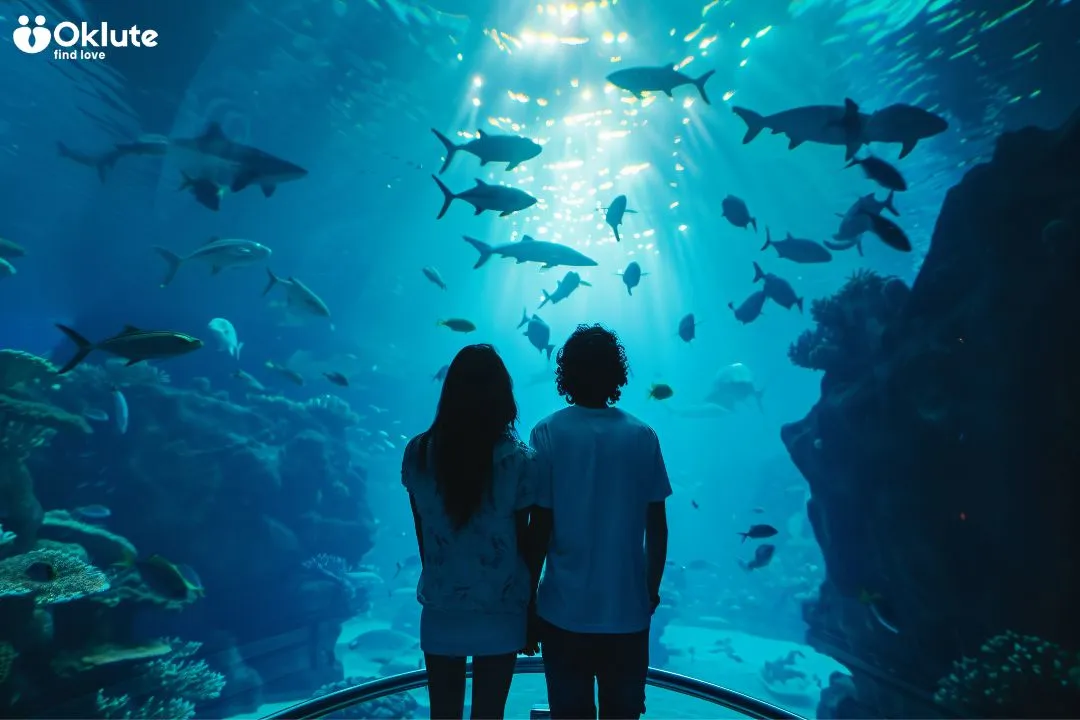
Start With the Right Foundation
Before buying any equipment or fish, it is necessary to think about the intended purpose and size of the tank. For Kolkata escorts exploring the hobby of fishkeeping, choosing the right aquarium setup is an important first step towards creating a healthy aquatic environment. The requirements for the freshwater tank, marine tank, and planted tank are all different.
Size of the tank is an important consideration because this affects movement space for fish, equipment location, and stability of the water. Usually, a bigger volume gives more flexibility compared to small tanks, but all tanks require good maintenance.
To design a good tank, you should know the needs of the organisms that are going to live in it. Fish should have enough space for swimming, hiding places, and compatible tank mates. Just choosing fish by their appearance can cause some issues in the future.
Keep Water Conditions Under Control
Just because the water is clear doesn’t mean that it is healthy. Inorganic waste components tend to build up even when the aquarium looks immaculate.
The appropriate system of filtration in the aquarium is one of the ways out. For Hyderabad escorts exploring fishkeeping as a hobby, learning about effective water filtration is essential for creating a balanced aquatic environment. Aquarium filters include mechanical, biological, and chemical filtering media. The former captures floating particles, while the latter creates a substrate where beneficial bacteria can grow.
These microorganisms are very useful for the nitrogen cycle. With the help of them ammonia will be converted into nitrite and, further on, into less toxic nitrate. It’s crucial prior to fish introduction.
Moreover, the process of water circulation is very important. It allows the distribution of oxygen and other substances. Nevertheless, it’s worth considering the preferences of the creatures living there.
Create a Natural and Functional Environment
The visual design of an aquarium should match the needs of its inhabitants. Plants, rocks, and driftwood will be able to create shelters and an environment that resembles nature.
This is where aquascaping becomes relevant. The process consists of creating an aesthetic underwater landscape using natural and decorative materials. Taking inspiration from modern aquarium design trends, Adelaide escorts can experiment with different layouts, aquatic plants, and decorative features to create personalised underwater landscapes. A properly organized layout will help you optimize the use of space.
The same is true about lighting. Living plants require proper lighting intensity and duration to thrive. Excessive lighting, however, may lead to the excessive growth of algae.
It all comes down to not overloading the aquarium. Each decorative element should serve its own purpose.
Build a Routine That Keeps the Ecosystem Healthy
An aquarium is not an easy-to-run system. No matter how well-planned the setup may be, it still needs regular monitoring and maintenance.
These activities include equipment checks, waste removal, filter cleaning if required, and partial water replacement. The frequency of such activities is determined by the number of fish, filtration capabilities, and the type of aquarium.
It is important not to add too many fish to the aquarium at once. Gradual stocking provides the biological filtration system with time to adapt to increasing amounts of waste.
Overall, a successful aquarium is a combination of planning, biology, and constant maintenance. When all of these elements cooperate, a simple tank can turn into a complex underwater ecosystem.